Lived Experience Healing: Inside RECO Island’s Recovery Model
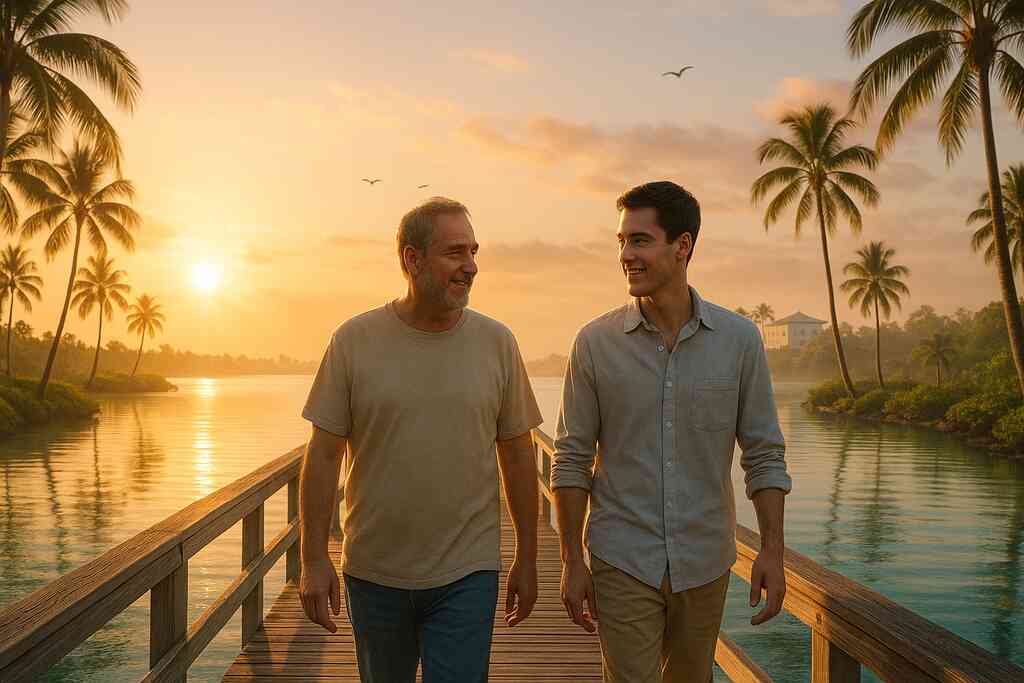
Lived Experience: The Heart of RECO Island
Many treatment centers talk about empathy, but RECO Island in Boynton Beach builds its entire program on it. A large share of its counselors, peer mentors, and support staff have walked the difficult road from addiction to long-term recovery themselves. That first-hand insight turns theory into something residents can feel, see, and trust.
Why Peer Wisdom Sparks Hope Quickly
A new resident often arrives burdened by shame, skepticism, and fear of failure. Meeting a counselor who openly says, “I sat where you’re sitting,” interrupts those fears immediately. Neuroscience research on mirror neurons supports this effect: the brain naturally looks for people who resemble us when deciding whether change is possible. When the model of success is another human—not a pamphlet—hope moves from abstract to tangible.
Peer mentors translate clinical ideas into everyday language. Instead of a lecture on dopamine regulation, a mentor might share how a morning swim steadied cravings during their early sobriety. Technical concepts turn into stories that stick, which improves learning and retention. Residents think, “If that ritual worked for them, maybe it can work for me.”
Dignity as a Clinical Tool
Respect is more than politeness at RECO Island; it is a treatment intervention. Every step—from intake to aftercare planning—invites collaboration rather than compliance. Staff greet newcomers by name, offer a genuine handshake, and ask about personal aspirations before they review substance-use history. Starting with strengths reduces the shame response that can shut down the prefrontal cortex, the part of the brain needed for problem solving and new habit formation.
The same dignity shows up in group therapy. Residents choose where they sit, can pause a discussion if emotions spike, and never have to surrender their story to a one-size-fits-all script. This autonomy is vital for trauma-survivors who may equate powerlessness with danger. By allowing control, the program keeps nervous systems within the “window of tolerance,” where learning and growth happen most easily.
Key dignity practices you will notice on campus:
- Strength-based language that labels residents as “survivors” rather than “cases.”
- Collaborative goal setting reviewed weekly, not handed down from above.
- Flexible seating, lighting, and even music selections during sessions so the environment feels safe.
The Healing Power of Place
Boynton Beach is more than a sunny backdrop. Ocean air, mangrove views, and easy access to nature offer constant sensory regulation. Research shows that time near water reduces cortisol, the stress hormone closely linked to relapse vulnerability. RECO Island weaves this natural buffer into the schedule: yoga facing the lagoon, mindfulness walks along coastal trails, and reflective journaling in shaded garden alcoves.
Community partnerships reinforce this calm beyond campus. Local employers regularly interview graduates, providing a clear bridge from treatment to purposeful work. Weekend beach cleanups and service projects give residents a chance to practice sober socializing while giving back. Engaging with supportive neighbors dismantles stigma and reminds each resident that they are part of the broader fabric of Boynton Beach.
Peer-Led Teams in Daily Practice
Every morning meeting pairs a licensed clinician with an alumni mentor. The clinician brings academic expertise in addiction medicine; the mentor supplies insight into how cravings feel at 3 a.m. That dual perspective helps the team act fast when subtle warning signs pop up.
For example, if a resident appears restless after dinner, a mentor might remember that late-evening anxiety was once a strong trigger for them. They can suggest a breathing drill or invite the resident on a sunset walk while the therapist updates the care plan. Small, immediate adjustments prevent small stresses from snowballing into relapse plans.
Residents also learn to become mentors themselves. Once they have stable footing, they lead welcome tours, facilitate recreational outings, and share relapse prevention skills with the next group arriving. Teaching others cements their own recovery knowledge and shows newcomers a living example of progress.
Trauma-Informed Methods Backed by Empathy
Substance use rarely appears in a vacuum. Many residents carry childhood neglect, combat exposure, or intimate-partner violence histories. RECO Island blends evidence-based trauma therapies—such as EMDR, somatic experiencing, and narrative work—with the gentle presence of peers who understand how raw trauma feels.
Before a session starts, the facilitator checks grounding tools: weighted blankets, soft lighting, and exit cues if emotions overwhelm. Peers often share how they handled flashbacks during early recovery, normalizing intense reactions instead of framing them as “setbacks.” This normalizing stance lowers self-judgment and keeps residents engaged in the therapeutic process.
Practical Takeaways for Families
Families often ask what makes RECO Island different from traditional rehab. Three principles summarize it:
- Relatability beats rhetoric. Lessons delivered by someone who has lived them cut through denial faster.
- Respect heals shame. Dignity-centered dialogue keeps the focus on growth rather than guilt.
- Community extends treatment. Partnerships with local employers, alumni networks, and service events build a safety net that lasts well beyond discharge.
Loved ones can support these principles at home by using non-stigmatizing language, encouraging peer support groups, and celebrating incremental progress rather than waiting for perfect milestones.
Final Thoughts
Recovery is never a solo climb, and no one understands the terrain better than someone who has hiked it. By hiring and empowering staff with lived experience, RECO Island turns personal history into a therapeutic asset. Add a dignity-first mindset and a healing coastal environment, and residents receive a program that speaks to both brain science and the human heart.
Hope is contagious here because it is authentic. Every handshake, group session, and beach sunrise tells the same story: transformation is not only possible—it is already happening in the people guiding the way.
How RECO Island's Team Uses Lived Experience to Transform Lives


Comments
Post a Comment