Personalized Therapy at RECO Immersive: VR, Neurofeedback
A New Era of Client-Centered Recovery
RECO Immersive in Delray Beach has reimagined what a rehabilitation program can look like. Instead of placing everyone into the same schedule of group talks and worksheets, the clinic uses real-time brain data, virtual reality (VR), and trauma-informed counseling to customize each minute of care. The goal is simple: help every individual retrain the mind-body system in a way that feels relevant, memorable, and sustainable.
Why Personalization Matters in 2025
Most people arriving at a treatment center carry a unique mix of stress patterns, learning styles, and co-occurring mental health concerns. Research shows outcomes improve when therapy respects those differences rather than forcing uniform protocols. RECO Immersive addresses this by blending three pillars:
- Data-guided neurofeedback
- Immersive virtual environments
- Integrated holistic practices that anchor lessons in daily life
The Technology Behind Neurofeedback
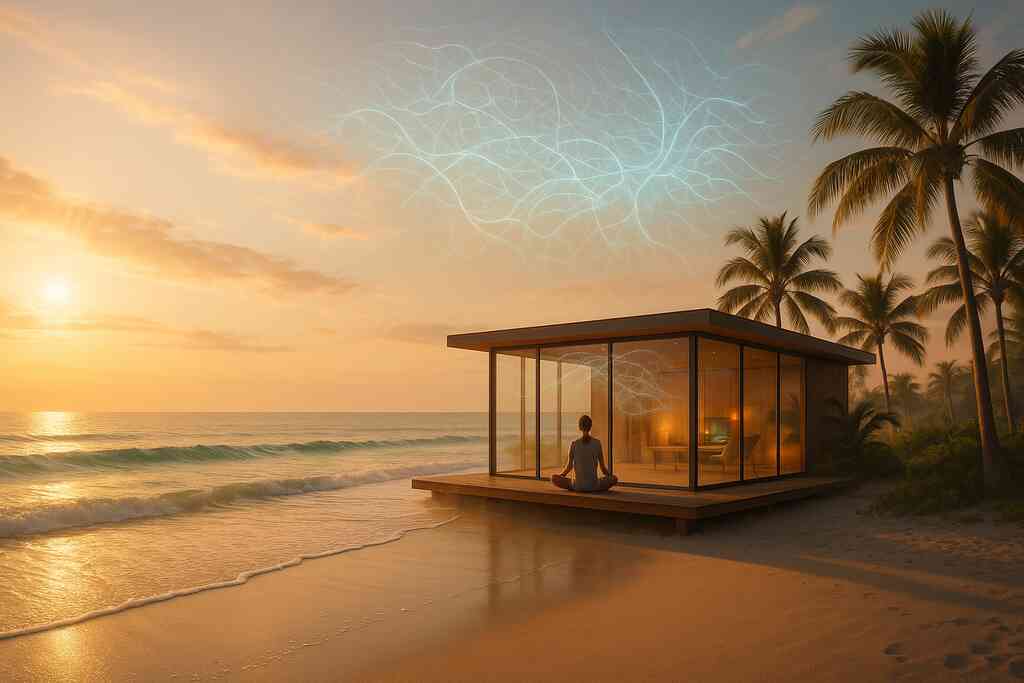
Neurofeedback uses non-invasive sensors to monitor electrical activity across the scalp. When certain brainwave patterns linked to anxiety or craving spike, visual or auditory cues signal the shift. At RECO Immersive, these cues appear inside calming VR scenes: a shoreline at sunset, a forest trail, or a tranquil art studio. Over repeated sessions the brain learns to settle back into balanced rhythms, much like a heart-rate monitor helps runners find their optimal pace.
What clients often notice first is the immediate feedback loop. Stress no longer hides below awareness; it shows up on screen in color changes, subtle landscape tweaks, or volume shifts. The clinician guides the participant to slow breathing, adjust posture, or recall a grounding mantra. Through dozens of repetitions, the preferred neural pattern becomes easier to access without equipment.
Virtual Reality That Responds to Emotion
Where standard exposure therapy might ask someone to picture a stressful scenario, VR makes the scenario vivid and controllable. At RECO Immersive, software tracks heart rate and micro-movements. When the body signals calm, the digital sky brightens or a gentle soundtrack emerges. If the system senses tension, the environment pauses or simplifies so the user can practice self-regulation before proceeding.
This responsive design accomplishes two things:
- Retention of therapeutic material: A multisensory scene forms a stronger memory trace than a spoken lecture alone.
- Safe rehearsal of coping skills: Individuals confront triggers in graded steps, with the power to pause, rewind, or change difficulty on demand.
Trauma-Informed Counseling Woven Through Every Module
Technology never replaces the human alliance. Licensed clinicians trained in trauma-informed care debrief each session, helping clients connect in-headset experiences to real-world challenges such as family conflict, grief, or workplace stress. That integration phase transforms a novel gadget into a clinically meaningful tool.
Key principles include:
- Choice and collaboration: Clients select which virtual scenarios feel relevant that day.
- Emphasis on safety: Clear consent, grounding exercises, and transparent goals reduce the risk of overwhelm.
- Strengths focus: Sessions highlight resilience already present, not just problems to fix.
Delray Beach as a Living Classroom
Setting matters. Warm breezes, outdoor art walks, and morning light off the Atlantic give Delray Beach an uplifting backdrop that reinforces neuroplastic change. When clients finish a headset session on mindful breathing, they can step outside to practice the same technique on an actual shoreline. This immediate crossover shortens the gap between treatment and daily life.
Community Integration
Recovery rarely happens in isolation. RECO Immersive fosters local partnerships so participants can:
- Attend waterfront yoga for gentle somatic regulation
- Volunteer at coastal clean-ups that build purpose and positive social feedback
- Visit galleries that encourage creative expression beyond verbal processing
These activities deepen new neural pathways of curiosity and connection, two antidotes to the isolation often linked with substance dependence.
A Typical Day in the Program
| Time | Experience | Therapeutic Aim |
|---|---|---|
| 7:30 a.m. | Breath-focused VR meditation | Train heart-rate variability |
| 9:00 a.m. | Neurofeedback session | Reinforce calm brainwave states |
| 11:00 a.m. | Trauma-informed group | Process emotions in community |
| 1:00 p.m. | Nutrition workshop | Stabilize mood through diet |
| 3:00 p.m. | Paddleboard mindfulness | Embed skills in real setting |
| 5:00 p.m. | Creative arts lab | Externalize feelings, build mastery |
Every element circles back to self-regulation, giving the nervous system multiple chances to rehearse balanced functioning across contexts.
Mind-Body Practices That Extend Beyond Discharge
RECO staff begin discharge planning on day one. Clients create personalized toolkits that might include:
- A portable VR viewer loaded with their most effective grounding scenes
- Scheduled neurofeedback follow-ups via telehealth
- Written relapse-prevention scripts based on brainwave data trends
- Community resources such as alumni sailing clubs or evening meditation groups
By the time formal treatment ends, individuals have already tested these tools during weekend passes or virtual check-ins, reducing fear of “going it alone.”
Measuring Success Without Guesswork
Traditional programs may rely on self-report surveys alone. RECO Immersive adds objective metrics:
- qEEG comparisons from intake to discharge illustrate changes in cortical connectivity.
- Wearable data track improvements in sleep quality and resting heart rate.
- Behavioral analytics inside VR note shorter recovery times after induced stress.
Collectively, these indicators allow clinicians to refine protocols and offer transparent progress updates to clients and their families.
What Sets RECO Immersive Apart
- Seamless blend of hospitality and clinical oversight: Luxury suites and sensory gardens exist alongside medical supervision, so dignity and safety support each other.
- Commitment to dual-diagnosis care: Mood disorders, trauma histories, and substance use receive concurrent attention, reducing future relapse risk.
- Evidence with a human face: Cutting-edge tech is always paired with compassionate dialogue, ensuring clients feel seen, not studied.
Final Thoughts
Personalized therapy is more than a slogan at RECO Immersive; it is the operational core. By combining neurofeedback, responsive VR, and the natural healing atmosphere of Delray Beach, the center helps individuals rewrite neurological and psychological scripts that once felt permanent. For anyone exploring advanced, client-centered recovery options in 2025, this integrative model offers a glimpse of where mental health care is headed next.
RECO Immersive: A Pioneer in Personalized Therapy


Comments
Post a Comment