Alcohol Addiction Recovery at RECO Institute: A 2026 Guide
Alcohol Addiction Recovery at RECO Institute: A 2026 Guide
Alcohol addiction recovery is a deeply personal journey, and understanding how structured programs work can make a significant difference in outcomes. This overview breaks down how RECO Institute approaches alcohol use disorder treatment in 2026, from early support to long-term sober living.
Understanding Alcohol Addiction
Alcohol use disorder is more than a habit or a choice. It is a complex condition that affects both physical health and mental well-being. The physical dependency on alcohol develops over time, but equally challenging are the psychological cravings that drive continued use even when someone wants to stop.
Untreated, alcohol addiction can lead to serious social, legal, and medical consequences. Recognizing the signs early and understanding how deeply addiction affects every area of life is often what prompts someone to seek help. That awareness is the starting point for effective recovery.
Why Early Recovery Support Matters
The early stages of sobriety are among the most vulnerable. Without consistent support, the risk of relapse is significantly higher during this window. Early recovery support systems — including therapy, peer groups, and structured programs — give individuals coping tools before they truly need them.
These systems also reduce isolation. Many people dealing with alcohol addiction feel alone in their struggle. Connecting with others who understand the experience, and with professionals who can offer guidance, builds both accountability and resilience. A solid support foundation during early recovery creates better long-term outcomes.
RECO Institute's Approach to Recovery
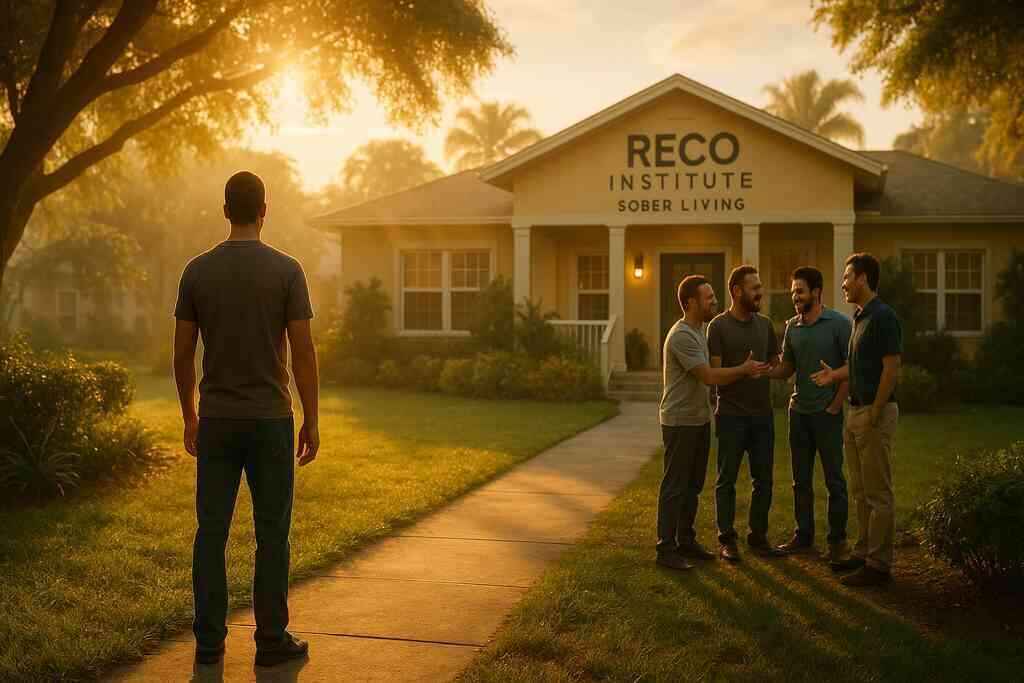
RECO Institute is based in Delray Beach, Florida, and specializes in sober living and transitional housing for people in early recovery. The institute provides a substance-free residential environment designed specifically to support individuals as they build new habits and routines.
The focus is not just on removing alcohol from someone's life. It is on helping residents develop the skills, connections, and mindset needed to maintain sobriety over the long term. RECO Institute combines stable housing with structured programming and peer support to address recovery from multiple angles.
The RECO Intensive: Holistic Treatment Options
RECO Intensive is the clinical treatment arm of the organization, offering a range of evidence-based therapies. These include:
- Cognitive-behavioral therapy (CBT) to identify and shift harmful thought patterns
- Individual counseling for personalized exploration of addiction triggers
- Group therapy to build community and shared accountability
- Holistic therapies that support mental and emotional well-being alongside clinical treatment
This combination ensures that both the psychological and physical components of addiction are addressed. Rather than applying a one-size-fits-all model, RECO Intensive tailors treatment plans to each individual's history and needs.
Outpatient Programs and Continued Care
Not everyone requires or is ready for residential treatment at every stage. Outpatient recovery programs offer a flexible option for those transitioning out of intensive care or managing recovery alongside daily responsibilities.
These programs typically include regular therapy sessions, skill-building workshops, and community engagement opportunities. The goal is to maintain continuity of care so that progress made during intensive treatment is not lost. Staying connected to a recovery community during this phase reinforces the principles learned earlier and reduces the risk of relapse.
Residential Treatment and Long-Term Sobriety
For those in the earlier stages of recovery, residential treatment provides an immersive, distraction-free environment. Around-the-clock access to trained professionals allows for deeper work on addiction behaviors and underlying triggers.
This level of structure is particularly valuable for individuals who have struggled with relapse or who lack a stable home environment. Residential settings remove outside pressures temporarily so that individuals can focus entirely on recovery. Over time, the skills developed in these programs support lasting sobriety.
Transitional Sober Housing: The Bridge to Independent Living
One of the most important — and often overlooked — stages of recovery is the transition from intensive treatment back to everyday life. Transitional sober housing fills this gap.
Sober living residences offer a structured, substance-free space where individuals can practice what they have learned in treatment. Residents are held to clear expectations around sobriety, participation, and community standards. This accountability helps prevent relapse during a time when individuals are rebuilding independence.
This type of housing also fosters peer relationships. Living alongside others in recovery creates a sense of shared purpose and mutual support that is difficult to replicate elsewhere.
Key Takeaways
Alcohol addiction recovery is not a single event. It is a process that unfolds across multiple stages, each requiring its own type of support. RECO Institute's model reflects this reality by offering a continuum of care — from clinical treatment to sober living to outpatient programs.
For those navigating this journey in 2026, understanding what each phase looks like can help set realistic expectations and make informed decisions about the right level of support at each step.
How Alcohol Addiction Recovery Works at RECO Institute in 2026


Comments
Post a Comment