How RECO Institute Builds a Strong Recovery Community
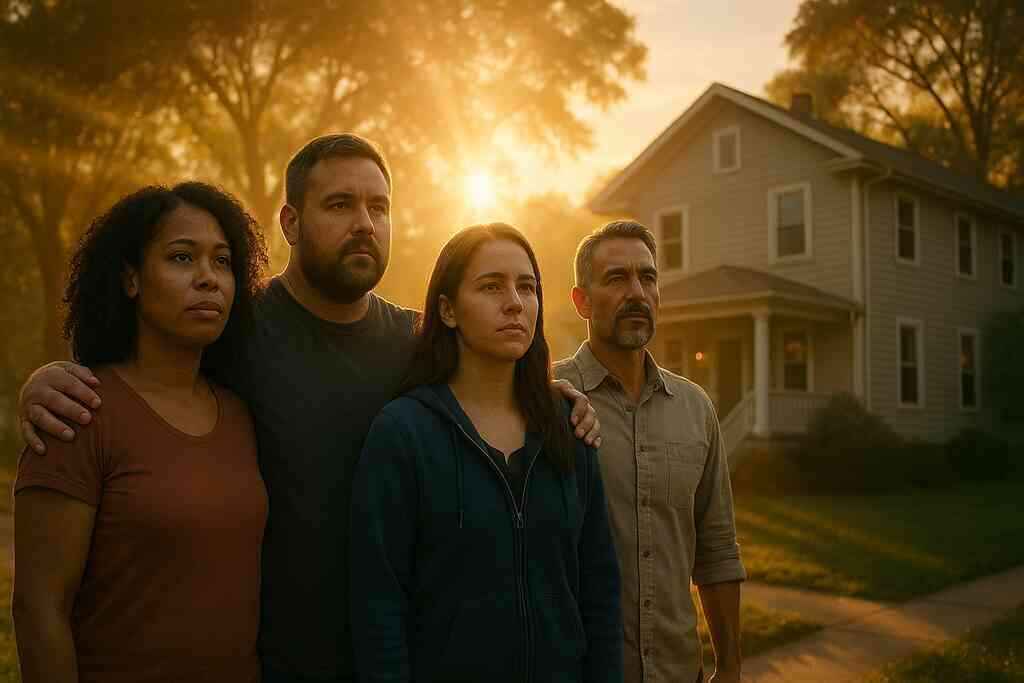
How RECO Institute Builds a Strong Recovery Community
Recovering from substance abuse is rarely a solo journey. RECO Institute in Delray Beach, Florida, understands this reality and has built its entire program around a simple but powerful idea: community matters. This overview explores how RECO Institute helps residents establish meaningful connections, develop accountability, and build the support networks they need for lasting sobriety.
Why Community Is Central to Recovery
Isolation is one of the most significant risk factors in substance abuse recovery. When individuals feel alone in their struggles, the path forward becomes far more difficult. A strong recovery community provides emotional grounding, practical support, and a sense of shared purpose.
Delray Beach has become a well-recognized hub for sober living programs, and RECO Institute has played a significant role in shaping that reputation. The environment there allows residents to engage with others who truly understand the challenges of recovery — not just professionally, but personally.
Transitional Housing as More Than a Stepping Stone
Many people think of sober living homes as a temporary place to stay after treatment. At RECO Institute, the transitional housing experience is designed to be far more intentional than that.
Residents are placed in a structured environment that bridges the gap between a formal treatment program and independent living. This structure is critical. Without it, the jump back into everyday life can feel overwhelming, and the risk of relapse increases sharply.
The program integrates physical, emotional, and mental health support into daily life. Rather than focusing on abstinence alone, residents are encouraged to develop new routines, build healthy habits, and engage actively with the community around them.
Peer Support: The Foundation of the RECO Model
One of the most distinctive elements of RECO Institute's approach is its commitment to peer-driven support. Residents are not passive participants — they actively contribute to one another's recovery.
This peer-driven model works because:
- Shared experience creates trust. Residents understand what each other is going through in a way that even professionals sometimes cannot fully replicate.
- Accountability becomes mutual. When peers check in on one another, personal responsibility is reinforced naturally.
- Friendships form with purpose. Connections made in recovery can become some of the most meaningful relationships in a person's life.
This kind of organic, community-based support is one of the most effective tools available in long-term addiction recovery.
Structure, Routine, and Personal Responsibility
RECO Institute uses a carefully designed daily schedule to provide residents with consistency and direction. House meetings, group activities, and educational workshops are all built into the routine.
Structure might sound rigid, but for someone rebuilding their life after addiction, a predictable schedule can be genuinely stabilizing. Knowing what to expect from each day reduces anxiety, builds discipline, and creates space for personal growth.
Residents are expected to take an active role in their recovery plan. This isn't about following rules for the sake of it — it's about developing the self-awareness and responsibility that long-term sobriety requires.
The Role of House Managers and Group Therapy
House managers at RECO Institute are experienced professionals who provide both leadership and compassionate guidance. They help maintain a safe, productive living environment while serving as accessible points of support for residents navigating difficult moments.
Group therapy sessions complement this leadership structure. In a group setting, residents can:
- Share their experiences openly without judgment
- Learn from what others have gone through
- Practice vulnerability and honest communication
- Reinforce their commitment to recovery in a social context
The combination of skilled house management and regular group therapy creates an environment where residents feel both supported and challenged to grow.
Personalized Recovery Plans
No two people arrive at recovery with the same background, needs, or goals. RECO Institute recognizes this and places significant emphasis on personalized recovery planning.
Residents work alongside experienced professionals to develop plans that reflect their individual circumstances. These plans take into account personal strengths, areas for growth, and realistic goals for life after sober living. This tailored approach increases the likelihood that recovery efforts will stick long after a resident leaves the program.
Setting the Stage for Life Beyond Sober Living
The ultimate goal of any sober living program is to prepare residents for sustainable independence. RECO Institute measures success not just by sobriety milestones, but by how well residents are equipped to handle the challenges of everyday life.
By combining structured living, peer support, professional guidance, and individualized planning, RECO Institute gives residents a genuine foundation — one built not on temporary stability, but on the relationships, habits, and self-knowledge that support lasting recovery.
For anyone exploring sober living options in South Florida, understanding what a well-structured recovery community looks like is an important first step.
How RECO Institute Helps Residents Build a Recovery Community


Comments
Post a Comment