Why Peer Support is Essential for Recovery in South Florida
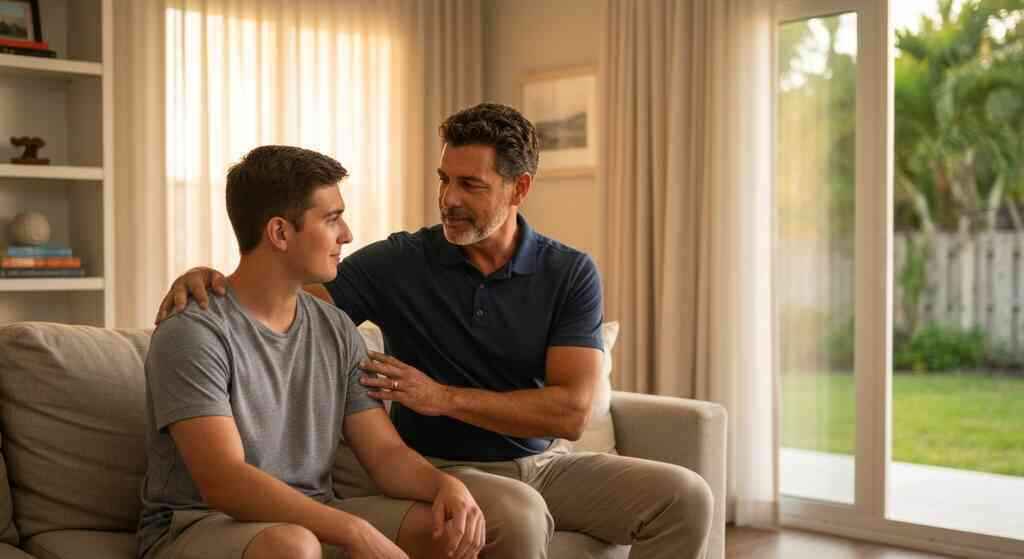
Recovering from substance use often feels like navigating an unfamiliar landscape without a map. For many individuals in Delray Beach, Florida, the time immediately following detox is particularly delicate. The transition from a controlled clinical environment to everyday life can feel overwhelming, leaving many feeling untethered and vulnerable. At RECO Institute, the focus is on more than just physical sobriety; it is about building a supportive framework where individuals can learn to navigate life's complexities with confidence. Peer support serves as the foundation for this journey, helping residents move past the isolation that often accompanies early recovery.
Breaking the Cycle of Social Isolation
Isolation is frequently the silent driver behind substance use issues. When a person commits to a path of recovery, they often find it necessary to step away from social circles that supported previous, destructive patterns. This creates a significant void that can lead to feelings of loneliness and vulnerability. High-quality sober living environments in South Florida address this by replacing isolation with intentional, meaningful interaction.
By joining a recovery residence, individuals gain immediate access to a community of peers who understand the nuances of their experiences. This shared understanding removes the stigma and secrecy that often keep people trapped in cycles of relapse. When residents engage with others who are walking the same path, they find that they are not alone in their challenges. This sense of belonging is a powerful antidote to the isolation of early recovery.
Navigating the Tightrope of Early Sobriety
Early recovery can feel like walking a tightrope. Every choice, no matter how small, can feel like a potential catalyst for a setback. The brain is actively working to rewire itself during this period, but a lack of stability makes it difficult to maintain clarity. Quiet moments in a daily routine are often when intrusive thoughts or cravings are most likely to surface.
Without a consistent peer support system, these moments can quickly spiral into feelings of discouragement. Structured housing provides the necessary guardrails to ensure that no one has to navigate these challenges in silence. Through peer interaction, residents learn that the fear of falling is significantly reduced by the presence of a supportive community. This structure helps stabilize daily life and provides the mental space needed for long-term healing.
The Impact of Familiar Environments
Returning to a familiar neighborhood or city can present invisible threats that may derail even the most sincere recovery efforts. If a resident returns to a setting where they previously used substances, they are often met with sensory cues—sights, sounds, or social interactions—that trigger subconscious cravings. These triggers are dangerous because they often bypass logical reasoning, acting directly on the brain's reward centers.
Relocating to a professional sober living residence in Palm Beach County offers a vital, monitored transition away from these environmental triggers. This distance provides the breathing room necessary for the brain to heal before an individual is asked to face the stressors of their former life. By choosing a structured residence in Delray Beach, residents ensure they are physically removed from the pressures that previously dictated their behavior.
Neurochemistry and the Power of Human Connection
Human connection is biologically essential, especially when it comes to regulating the nervous system during early sobriety. Engaging in peer-led recovery support helps the brain release oxytocin and dopamine. These chemicals are vital for mitigating the stress hormones produced during withdrawal and early recovery.
These neurochemical shifts assist in restoring the brain's natural reward pathways, which are often suppressed by long-term substance use. When a person shares their story with a peer who has successfully overcome similar obstacles, they experience profound validation. This exchange of experience lowers internal anxiety and promotes better emotional regulation. By fostering these connections, residences create a stable environment where recovery is not just a goal, but a lived, daily reality.
Moving Beyond Traditional Models
True accountability is rarely achieved in total solitude. It is often easier to rationalize behaviors when no one is watching. In a structured sober living setting, accountability is transformed into a communal practice. Rules within these homes are designed to create a predictable flow, reinforcing healthy routines and choices.
This approach represents a significant departure from the older, unregulated halfway house model. Today’s evidence-based recovery programs integrate clinical insights with the practical reality of communal living. This includes addressing dual diagnosis needs and teaching residents how to manage their mental health alongside their recovery. By focusing on mutual responsibility and professional clinical support, individuals can build a life of integrity that lasts well beyond their time in a residence. The goal is to provide a comprehensive, sophisticated environment that empowers residents to move forward into a sustainable, independent future.
Why South Florida Recovery Residences Require Peer Support


Comments
Post a Comment