Trauma Therapy in South Florida Recovery Centers Explained
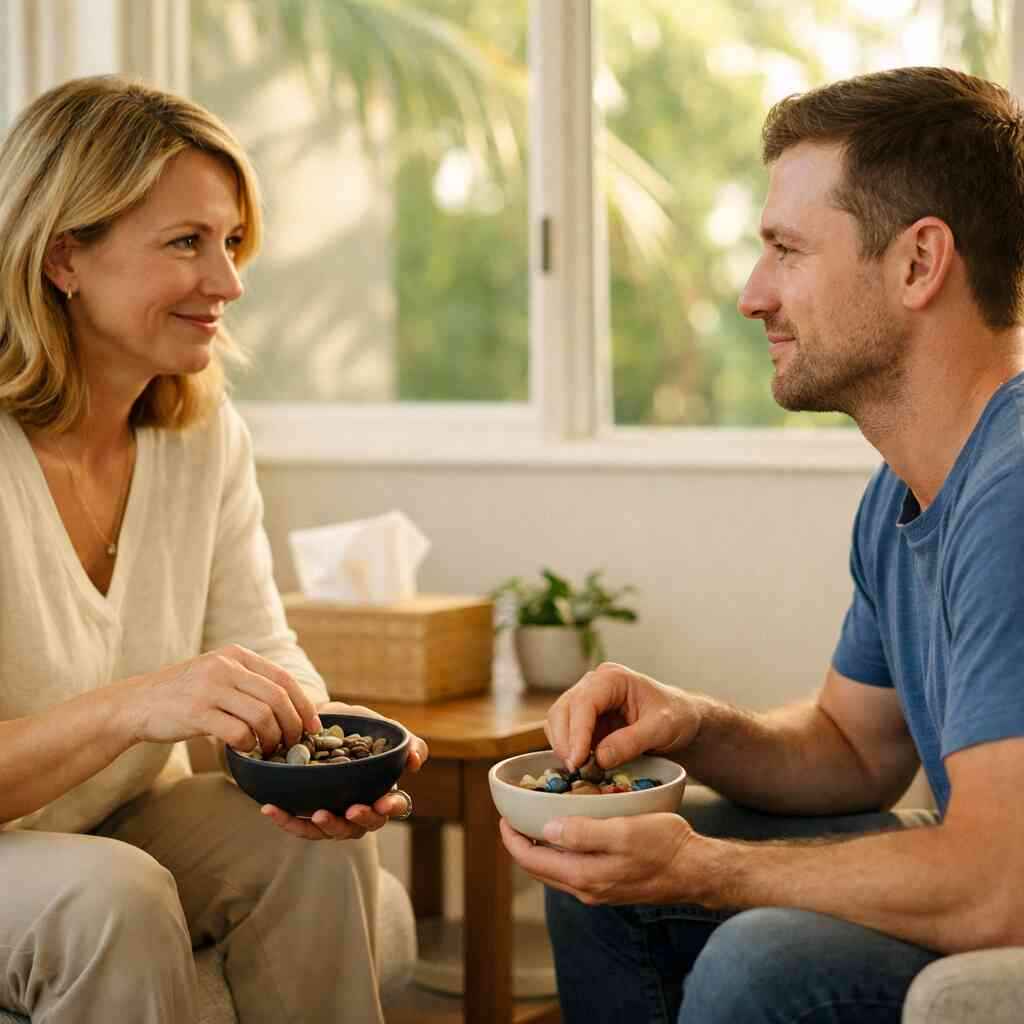
Trauma Therapy in South Florida Recovery Centers
Trauma therapy in South Florida recovery centers helps people address the pain underneath substance use. It is not only about stopping alcohol or drugs. It is about understanding how trauma shapes fear, coping, panic, shame, and daily behavior.
When addiction and trauma happen together, treating only one part of the problem often leaves the other part active. That is why many recovery programs focus on trauma-informed care, mental health support, and substance use treatment at the same time.
Why trauma and addiction often appear together
Trauma can change how the brain and body respond to stress. A person may feel on edge, numb, overwhelmed, or unable to sleep. Over time, alcohol, opioids, pills, or other substances may seem like a way to cope.
This pattern is common in people seeking help for:
- Alcohol use disorder
- Prescription pill addiction
- Opioid use disorder
- Anxiety and addiction together
- Depression and addiction together
- PTSD symptoms with substance use
The substance may look like the main issue at first. In many cases, it is also a short-term shield against painful memories or ongoing stress.
Trauma-informed care is not the same as forcing painful memories
Many people assume trauma therapy means talking about everything right away. In reality, good trauma-informed care begins with safety, trust, and pacing.
That usually means:
- Clear expectations in treatment
- Predictable routines
- Respect for personal boundaries
- Time to build trust before deeper work begins
- Support that matches the person’s readiness
This approach matters because trauma can make treatment itself feel threatening if it moves too fast. A careful pace helps the nervous system settle before deeper processing begins.
Why dual diagnosis treatment is often the right fit
When trauma and substance use happen together, dual diagnosis treatment is often the most effective model. That means both the mental health condition and the addiction are addressed in one coordinated plan.
This is important when someone is dealing with:
- PTSD treatment needs
- Anxiety treatment
- Depression and addiction
- Bipolar disorder therapy
- Emotional shutdown or panic
- Sleep problems that lead to relapse
If these issues are treated separately, one problem can keep triggering the other. Integrated care helps reduce that cycle.
Common therapies used in recovery centers
Recovery centers in South Florida often use evidence-based therapies that help people manage symptoms and build healthier coping skills.
CBT
Cognitive behavioral therapy helps people notice the connection between thoughts, feelings, and actions. It can be useful for identifying patterns that keep substance use going.
DBT
Dialectical behavior therapy focuses on emotional regulation, distress tolerance, mindfulness, and relationship skills. It can be helpful when emotions feel intense or hard to control.
EMDR
EMDR trauma therapy is a structured method used to help process distressing memories. For some people, it can reduce the emotional charge connected to traumatic experiences.
Group therapy
Group therapy activities can help people feel less isolated. They also create a place to practice communication, accountability, and support from others with similar experiences.
Family therapy
Family therapy may help repair communication patterns and educate loved ones about trauma, addiction, and recovery. This can be especially important when the home environment affects healing.
What trauma therapy may look like in practice
A trauma therapy plan is usually individualized. There is no single path that works for everyone. In a strong recovery setting, treatment may include:
- A mental health and substance use assessment
- Safety planning
- Coping skills for anxiety and cravings
- Work on emotional regulation skills
- Processing trauma at a safe pace
- Support for relapse prevention
- Planning for life after treatment
The goal is not just symptom reduction. It is to help the person feel steadier, more capable, and less controlled by the past.
Why South Florida recovery centers often emphasize integrated care
South Florida recovery centers often see people who are facing multiple layers of stress at once. That can include trauma, family strain, long-term substance use, mood disorders, or recovery after relapse.
Integrated care is valuable because it treats the whole picture. A person is not asked to choose between mental health support and addiction treatment. Both matter.
This approach can be especially helpful for people who have tried to stop using substances before but found that unresolved trauma kept pulling them back into the same patterns.
Signs trauma may be part of the picture
It may be worth considering trauma therapy if you notice patterns like:
- Panic or anxiety that feels hard to explain
- Trouble sleeping or frequent nightmares
- Flashbacks or intrusive memories
- Avoiding people, places, or emotions
- Using alcohol or drugs to calm down or numb out
- Sudden anger, shutdown, or feeling disconnected
- Shame that feels larger than the situation
These signs do not prove trauma on their own, but they are common reasons people seek a more complete level of care.
What recovery can look like over time
Healing from trauma and addiction is usually not quick. It often happens in stages. At first, the focus may be stabilization and safety. Later, a person may begin working through deeper memories and beliefs. Over time, they may build new routines, stronger boundaries, and healthier ways to cope.
Progress may include:
- Fewer cravings
- Better sleep
- Less panic
- More emotional control
- Improved relationships
- Greater self-trust
Recovery is rarely perfect, but steady support can make a major difference.
Final thoughts
Trauma therapy in South Florida recovery centers is about more than talking through the past. It is about helping people heal the connection between trauma, substance use, and emotional distress.
When treatment includes trauma-informed care, dual diagnosis support, and evidence-based therapies, people have a better chance of building lasting recovery. For many, that combination is what makes healing feel possible again.
What Is Trauma Therapy in South Florida Recovery Centers


Comments
Post a Comment